
 By
By 
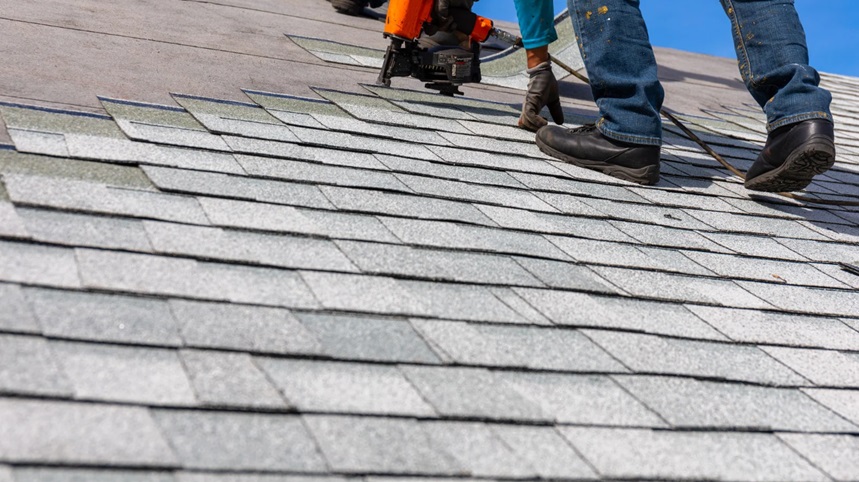
Commercial roofs endure punishment that residential systems never face. Massive HVAC equipment vibrates against membranes day and night. Foot traffic from maintenance crews wears pathways into surfaces designed to repel water rather than support weight. The sheer square footage involved means that problems can develop in areas no one visits for months at a time.
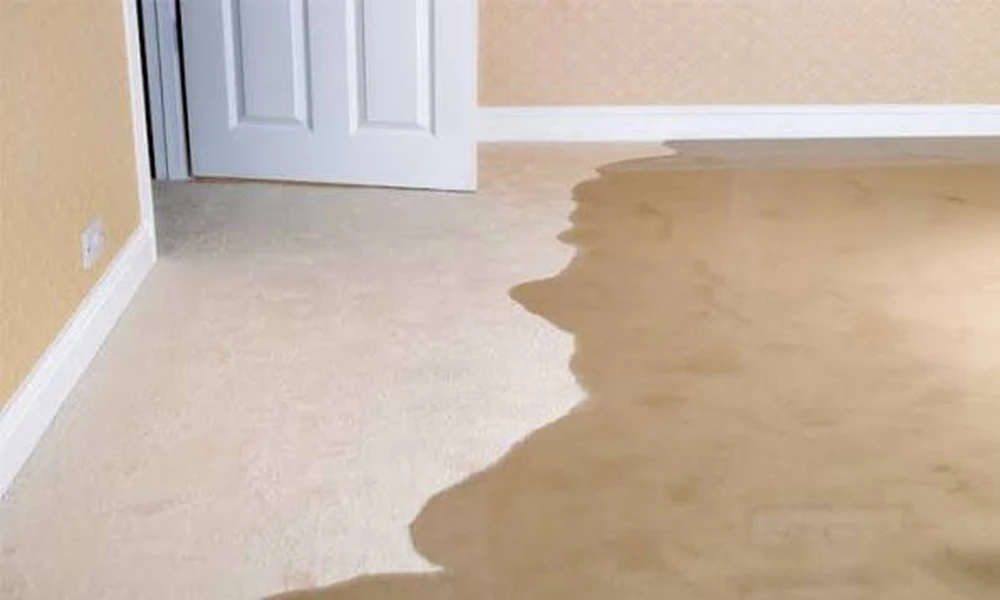
Waiting for leaks to announce themselves through water-stained ceiling tiles and damaged inventory costs far more than catching problems before they progress to that point.
Identifying Vulnerable Points Before They Fail
Every commercial roof contains weak spots where leaks tend to originate. Penetrations for ductwork, piping and exhaust systems create interruptions in otherwise continuous membranes. The seals around these openings absorb structural movement and temperature swings constantly, making them prone to failure long before the rest of the roof shows wear.
Edge details present similar challenges. Where roofing materials meet walls, parapets and other vertical surfaces, the transition requires careful sealing that degrades over time.
Proactive maintenance programs identify these vulnerable areas and monitor them closely. Rather than inspecting the entire roof with equal attention, experienced crews know exactly where problems develop first and concentrate their efforts accordingly.
Catching Deterioration in Early Stages
Roofing materials rarely fail suddenly. Membranes develop small cracks that widen over the seasons. Seams begin lifting at corners before separating entirely. Flashing pulls away from walls gradually as building movement loosens adhesives.
Each of these problems starts small enough to fix easily. A minor seam repair costs a fraction of what replacing saturated insulation beneath a full-blown leak requires. The calculus becomes obvious once facility managers experience both scenarios.
Regular inspections catch deterioration while repairs remain simple. The same problem discovered six months later may have allowed water infiltration that compromised underlying materials and spread damage far beyond the original failure point.
Protecting Sealing Systems That Prevent Infiltration
EPDM rubber seals and similar components play critical roles in keeping water out of commercial buildings. These flexible materials absorb the constant movement that rigid systems cannot tolerate, maintaining watertight barriers at joints and transitions where most leaks originate.
Choosing companies like Metal Master ensures these sealing systems receive proper attention during maintenance visits. Their Master Service Agreement provides annual or bi-annual visual inspections covering seams, flashing details, penetrations and other critical areas where failures tend to begin.
When seals show early signs of degradation, replacement occurs before moisture finds its way through. The cost difference between planned seal replacement and emergency leak response makes proactive attention the obvious choice for facilities that track maintenance expenses carefully.
Extending Overall Roof Lifespan
Commercial roof replacement represents a major capital expense that facility managers reasonably want to postpone as long as possible. Proactive maintenance directly extends service life by preventing the cascade failures that force premature replacement.
A single unaddressed leak does more than damage the area immediately below it. Water saturating insulation spreads laterally, affecting sections of the roof far from the original penetration point. Wet insulation loses its thermal value while promoting conditions that accelerate the deterioration of surrounding materials.
Roofs that receive regular maintenance routinely outlast identical systems that receive attention only when problems become impossible to ignore.
Preserving Warranty Protection
Most commercial roofing warranties require documented maintenance to remain valid. Manufacturers know that neglected roofs fail faster than maintained ones, and they structure warranty terms accordingly. Skipping maintenance saves money in the short term while eliminating the warranty protection that would cover major failures.
Maintenance records demonstrate compliance with warranty requirements. When claims become necessary, documented inspection histories support coverage that undocumented roofs cannot receive.
The maintenance expense looks even more reasonable when viewed as warranty insurance that happens to extend roof life and prevent leaks simultaneously.
Planning for Budget Predictability
Emergency repairs blow holes in maintenance budgets. Unexpected leaks demand immediate response regardless of what funds remain available. The cascade of expenses from water damage restoration, inventory replacement and business interruption compounds the direct repair costs.
Proactive maintenance converts unpredictable emergencies into planned expenses that budgets can accommodate. Facility managers know what inspections will cost and can anticipate likely repairs based on roof age and condition.
This predictability extends beyond simple dollars. Scheduling maintenance during slow periods avoids the operational disruptions that emergency repairs cause. Coordinating access with building activities prevents the conflicts that arise when contractors arrive unexpectedly, demanding immediate roof access.
Building Relationships With Qualified Contractors
Maintenance programs create ongoing relationships with contractors who come to understand specific buildings and their particular challenges. Crews familiar with a facility recognize changes from previous visits that strangers would miss entirely.
These relationships also position facilities for faster emergency response when unexpected problems do arise. Contractors prioritize established clients over cold calls, providing the rapid attention that limits damage when leaks develop despite proactive efforts. The maintenance investment pays dividends beyond the scheduled visits themselves.

Comments