
 By
By 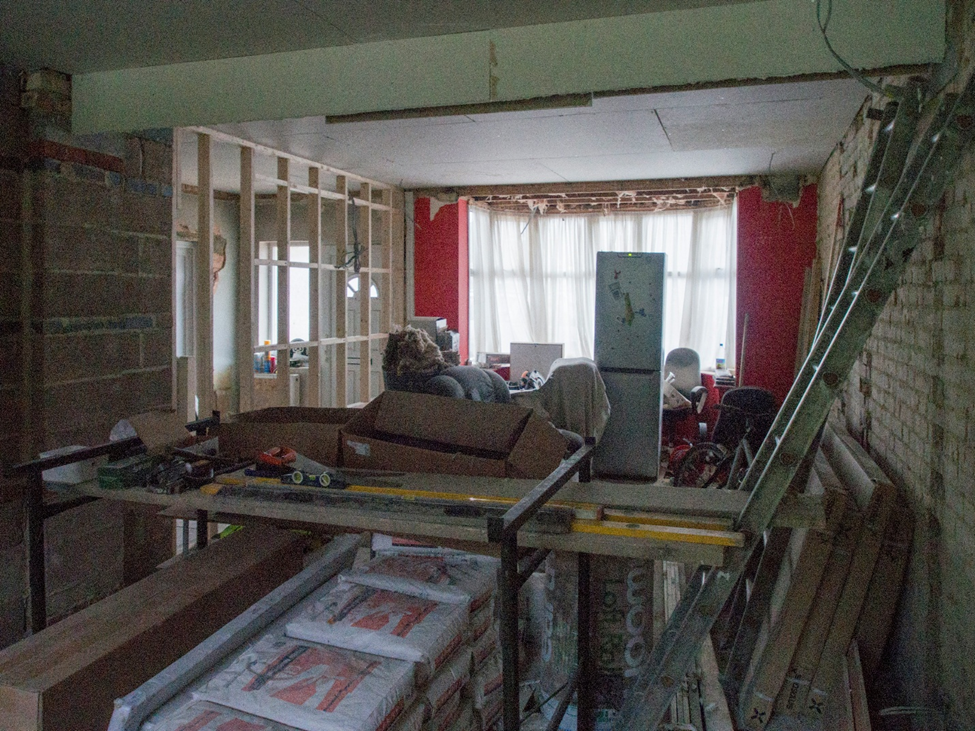
Renovating your home creates an unforeseen volume of debris and throwing everything in a big pile will cost you time and money. Sorting will keep your job site safer and help reduce your disposal costs.
What Materials Can Be Recycled?
Before you simply grab a few garbage bags, what waste will your transfer station or recycling depot accepts? Most will accept clean waste when separated at source but will reject loads that are wet, muddy, or mixed with garbage.
- Clean Dimensional Lumber and Pallets: Untreated wood, wood that is free of nails or paint, and unglued wood can often be ground into mulch or fuel.
- Concrete, Brick, and Asphalt: Crushed for roads and base fill, make sure they are clean and free of rebar or dirt.
- Metals (steel, copper, aluminum): Make sure your ferrous and non-ferrous metals are separated; even small offcuts of metal have value. For more information, visit this link https://www.youtube.com/watch?v=JIX_vFh5llA
- Cardboard and Rigid Plastics: Undo boxes, and make sure your plastics, especially plastics 1 and 2, are clean, for better acceptance.
- Glass and Fixtures: Left over intact windows, doors and cabinets may have reusable value, with architectural salvage.
Separating Wood, Drywall, and Concrete
The heavy hitters wood, drywall, and concrete will all need separate locations on the first day. Create piles and/or, bins and clearly label them and place the materials there as you work on the demo on site. This will keep your walkways clear and avoid you having backtrack to do your site clean up
Wood is easy starting point. Separate out untreated lumber from painted and treated, as untreated lumber is usually recyclable, and painted and treated are usually destined for the landfill because of the coatings or chemicals. As you move through the mess, remember to remove or pry the nails as you go, this will save your saws and grinders from damage later. If you are renting roll off dumpsters, one container can be dedicated for the clean wood, and you will not have to pay the contamination charges.
Next is the drywall. Keep the gypsum clean and dry, wet gypsum loses strength; if drywall is wet, it may be rejected. Place loose scraps and dust into the heavy contractor bags. Full sheets, and larger pieces, in another bin. Do not mix for drywall with insulation or plastic.
Last, on to the concrete and masonry. Place the chunks on the tarp to keep dirt out, now you can lift into a sturdy bin or onto a pad that you dedicated. If you have rebar, cut flush with the slab, or break into your metal pile. Clean concrete is one of the cheapest waste categories in construction waste management. If you can keep it clean, you can save money.
Handling Hazardous Renovation Debris
You cannot put in your regular dumpster, and if you send this through with other waste, you could be fined. And there are things that are special handling, so be careful and consider hiring someone that offers destruction when in doubt. Check this site for more guidance.
- Lead based paints and painted debris (houses pre-1978): use plastic sheeting and mist this stuff, bag your labeled waste to a certified drop off or contracted removal.
- Asbestos material (old floor tiles, pipe wrap, siding): If you think you are dealing with this and do stop work; should only have licensed abatement crews test (and remove).
- Solvents, adhesives and paint: include sealed lids, standing upright in a ventilated area, and delivered to a household hazardous waste facility.
- Mercury and electronics: old thermostats, fluorescent tubes and ballasts must be recycled through certified programs.
- Treated wood and roofing tar: often referred to as special waste; check local rules before loading.
Why Sorting Saves Money
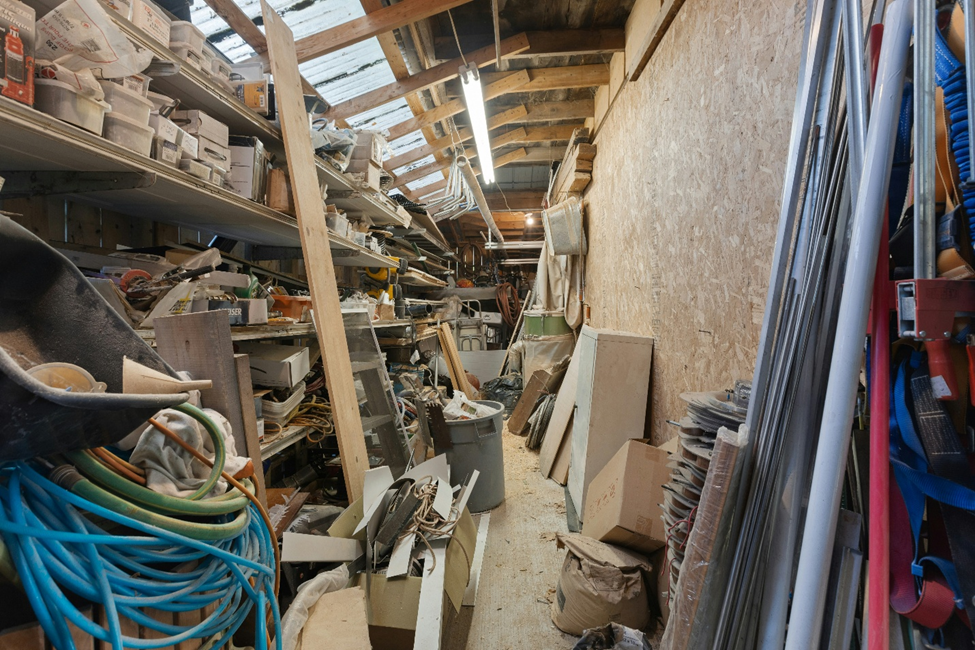
Sorting is not only neat—but it also cuts what you pay, because landfills or transfer stations have an additional fee for mixed loads due to separating or burying. When you deliver clean metal, concrete or wood, you are usually charged a lower rate; occasionally you could receive a rebate for scrap.
Of course, you also save on labor and trips to the landfill or transfer station. An efficiently sorted site results in quicker hauling of debris, allowing you to finish the project sooner—whilst making fewer dump runs. If you are planning to hire for your renovation cleanup Spokane Valley, many haulers have an incentive to offer a discount on source separated loads, as they can dump quicker and keep more materials.
Lastly, clean loads help keep your tools, clothing and vehicle safe. Nails don’t accidentally get pulled from a wood pile and puncture a tire. Drywall dust stays in the bags without clogging your filters.
Local Rules for Mixed Debris
Each municipality and county have rules for what can go into each bin, how full can you load a bin and where can you take it. You should read your hauler’s rules before starting and have the rules posted on a wall in the staging area for all to see.
- Know your disposal locations: Some facilities take concrete or metal only on certain days and require appointments for large loads or commercial vehicles.
- Know the weight and distribution limits: Overweight boxes typically carry a hefty surcharge. You can distribute heavy loads of tile and concrete across containers or request a higher-rated bin.
- Bag the little stuff: Many disposal stations require small debris (drywall dust, insulation, small offcuts) bagged to keep control of litter blown around by the wind.
- Use clear labels on containers: Clean Wood, Metal, Concrete, and Trash. Clear labels allow for fewer mistakes while the site is busy clearing out.
- Keep your proof of origin: Pictures of the referred piles and receipts for disposal may assist if you want to pursue the tax incentives or green certifications for recycling your waste.
Finally, sorting debris does take a degree of planning but is achievable once you have established your sorting stations and can commit to them. Sort your recyclables clean and separate, route your hazardous items to certified programs, and only leave room in the mixed trash for items that cannot be recovered. You may be surprised how much waste you will recycle with a system like this set up—with the right eco-partners and support, you will complete the project faster, safer and cheaper!



Comments