
 By
By 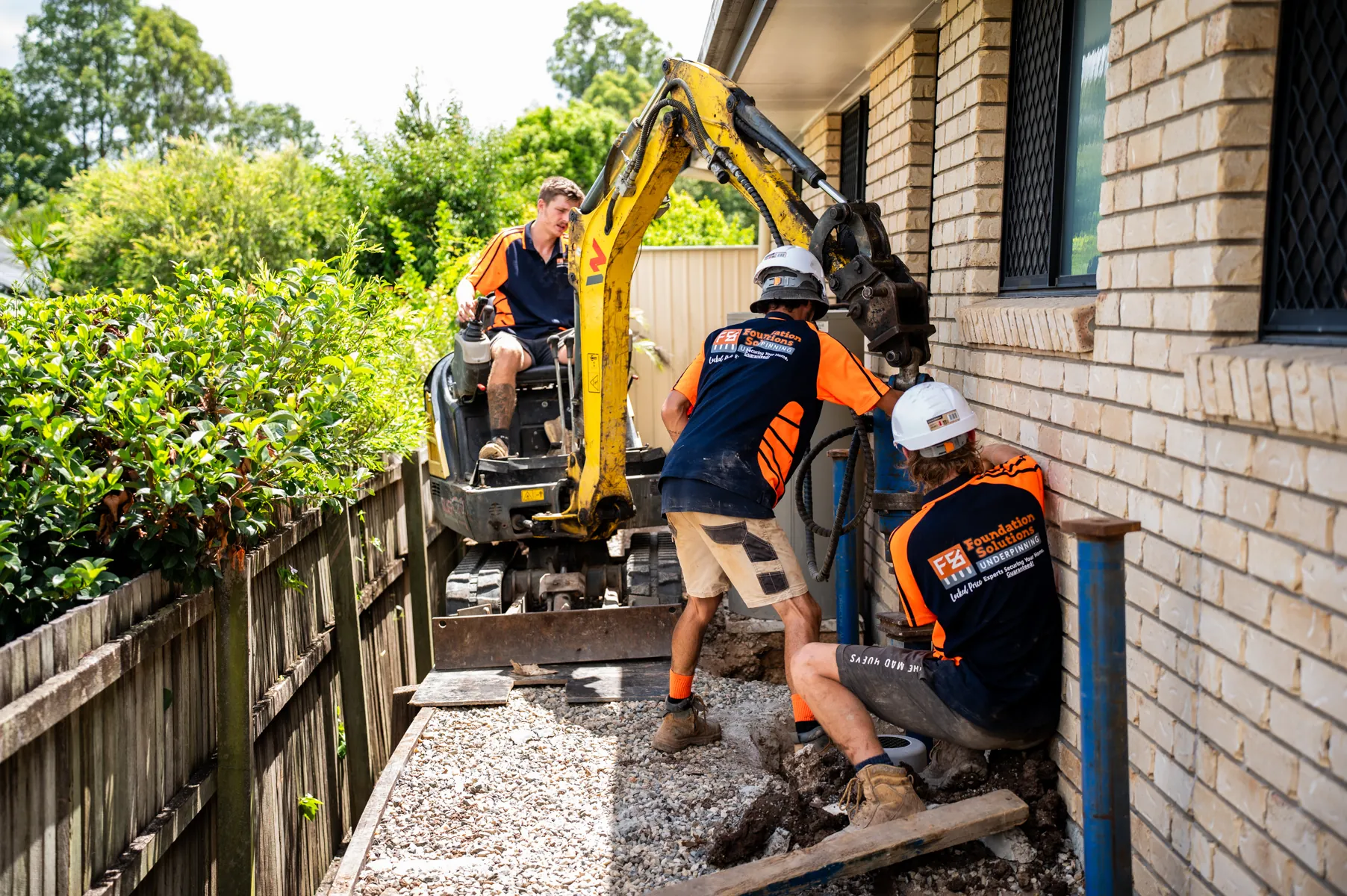
Older homes often charm with their character, craftsmanship, and history, but they also come with structural challenges that newer builds rarely face. Ageing foundations, outdated building methods, and decades of soil movement can leave these homes vulnerable to damage. Basement underpinning is one of the most effective ways to strengthen foundations while also creating usable space, yet many homeowners wonder if their property is too old for the process. The truth is that age is rarely a disqualifier. With the right planning, inspections, and expertise, underpinning can revitalize older homes, preserve their charm, and prepare them for decades of safe, comfortable living.
Why Older Homes Pose Challenges
Many older homes were built with shallow foundations that were never intended to support modern living standards. Over time, these foundations may weaken due to soil shifts, water infiltration, or the natural settling that occurs with age. As a result, homeowners often encounter cracks in walls, uneven floors, and basements that are damp or cramped. These conditions make basements less suitable for living spaces and more prone to structural concerns.
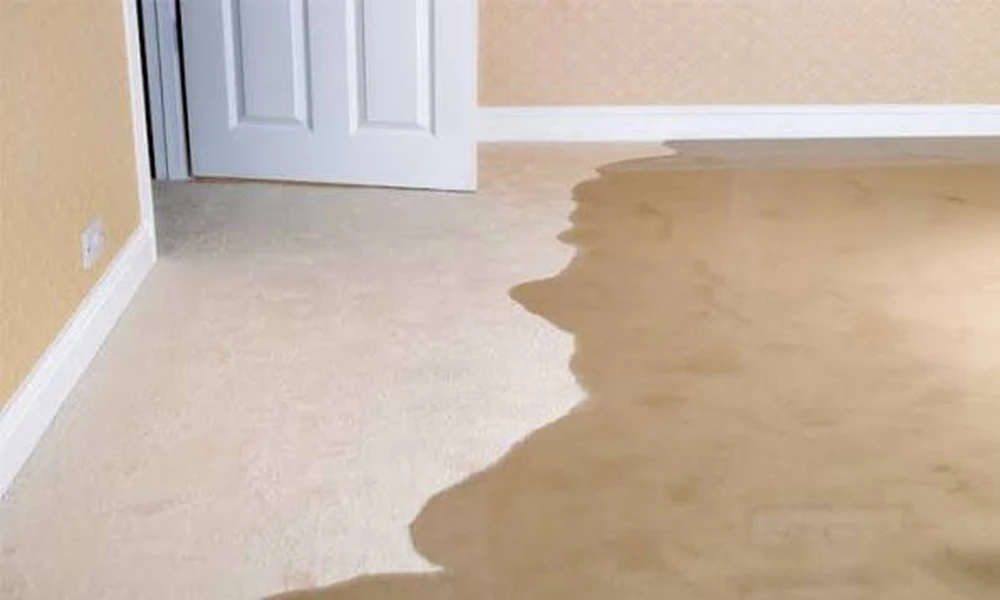
Moisture is another common challenge. Outdated waterproofing methods and poor drainage leave older basements especially vulnerable to leaks and dampness. This not only affects the comfort of the basement itself but also contributes to long-term structural deterioration. In some cases, the lack of proper waterproofing accelerates foundation damage, creating the impression that an older home is beyond repair. In reality, these problems are often exactly what underpinning is designed to resolve.
Why Underpinning Works for Older Homes
One of the greatest strengths of underpinning is its adaptability. The process can be tailored to suit the unique conditions of older properties, addressing weaknesses in the foundation while upgrading the space. By lowering the basement floor and reinforcing walls, underpinning transforms outdated basements into safe, functional, and comfortable areas. It provides a second life for homes that might otherwise struggle to meet modern expectations.
The benefits extend beyond immediate improvements. Reinforced foundations reduce the risk of future settling, cracks, and water infiltration. In older homes where these issues are common, underpinning acts as both a repair and a preventive measure. The end result is a property that maintains its historic appeal while performing like a modern home in terms of stability and comfort. This combination of preservation and modernization is what makes underpinning such a valuable investment for older homes.
When Underpinning May Not Be Suitable
While most older homes can benefit from underpinning, there are exceptions. Properties built on unstable soil may require additional support, such as piling systems, before underpinning can be considered safe. Homes with significant structural deterioration may also need extensive repairs before the process begins. These situations highlight the importance of professional assessment and engineering expertise.
Historic properties can present another challenge. Certain heritage regulations restrict the kinds of changes that can be made to a building, which may limit underpinning options. However, in many cases, solutions can be designed to respect both structural needs and heritage requirements. By working with professionals who understand these nuances, homeowners can balance preservation with necessary upgrades. This careful planning ensures that even sensitive properties can benefit from underpinning where appropriate.
How Professionals Approach Older Homes
Successful underpinning in older homes begins with a detailed inspection. Engineers and contractors evaluate soil conditions, water drainage, and existing structural concerns. This careful planning phase identifies risks and ensures that the project is safe and effective. With a clear plan in place, underpinning can proceed without compromising the home’s stability.
Professionals also take extra precautions during excavation to protect fragile structures. Work is done in stages, with sections of the foundation reinforced before moving on to the next. This staged approach ensures that the home remains stable throughout the process. Experienced contractors also use monitoring systems to track movement, further reducing the risk of damage. This methodical, cautious process is what allows even very old homes to undergo underpinning safely and successfully.
Long-Term Benefits for Older Homes
Underpinning offers more than a quick fix—it provides lasting stability and value. A home with a reinforced foundation is better protected against soil movement, water infiltration, and the wear and tear of time. This gives homeowners confidence that their property will remain strong for decades to come. It also reduces the likelihood of costly emergency repairs, turning a potential liability into a reliable investment.
The lifestyle benefits are equally important. By transforming the basement into a livable space, underpinning creates opportunities for family rooms, offices, or rental suites. For older homes where square footage is limited, this can dramatically improve comfort and functionality. An underpinned basement often becomes the most versatile area in the home, adapting to whatever needs arise over time. From multigenerational living to added rental income, the new possibilities make older properties both practical and valuable.
Age Is Just a Number
The age of a home does not disqualify it from improvement. With professional expertise, basement underpinning allows older properties to be strengthened, modernized, and reimagined without losing their character. It addresses foundation concerns, creates new space, and prepares the home for the future. For homeowners who cherish their older properties, underpinning offers the reassurance that charm and stability can go hand in hand. A strong foundation is timeless, and with the right approach, even the oldest homes can stand proudly for generations to come.





Comments