
 By
By 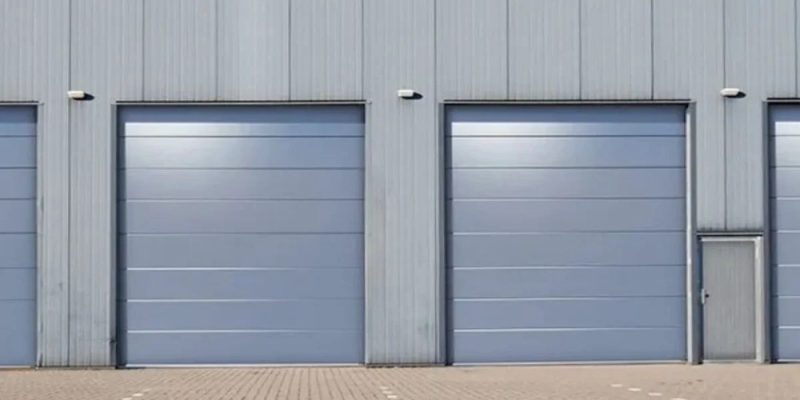
A single gap in a commercial door can quietly siphon profits from a business. While energy costs often go unnoticed on monthly statements, the impact of inefficient doors on the bottom line is anything but invisible.
The Hidden Costs of Poor Energy Efficiency in Commercial Doors
Imagine a loading dock that feels more like a wind tunnel than an extension of your warehouse. Drafty, poorly insulated doors let temperature-controlled air escape, making your HVAC system work overtime. This translates directly into higher utility bills, especially for large facilities with multiple access points. The drain does not end there.
Environmental consequences add another layer of urgency. When heat or cold leaks out, commercial buildings consume more energy, driving up greenhouse gas emissions. Every kilowatt wasted inches a company further from sustainability targets and increases its carbon footprint.
Common energy drains include thin door panels without insulation, gaps along the floor or sides, and worn-out weather seals. Even the strongest steel door can become the weakest link if it lacks the right features.
Why Sectional Commercial Doors Are Game Changers
Sectional commercial doors are engineered to address these exact weaknesses. Their design, divided into several horizontal panels that seal tightly when closed, offers superior insulation and flexibility compared to traditional single-panel or rolling doors.
The secret starts with the panels themselves. High-density insulation materials, such as polyurethane or polystyrene, are inserted between two strong steel skins. This not only blocks temperature transfer but also adds rigidity and impact resistance. Compare this with older commercial doors, which often feature hollow cores or thin metal sheets that let heat seep through.
Sectional doors also offer an edge in customization. With a variety of models and thicknesses available, businesses can match their specific insulation requirements, whether they operate a chilled warehouse or only need basic protection from outdoor elements.
Advanced Technologies Behind Energy-Efficient Sectional Doors
Not all insulation is created equal. Polyurethane foam, renowned for its high R-value, is a popular choice for facilities aiming to maximize thermal performance. Polystyrene panels are an alternative when cost is a primary concern, still offering substantial improvement over basic doors.
Weather seals and thermal breaks are the unsung heroes of heat retention. Flexible seals line the perimeter of the door, preventing wind and moisture infiltration, while thermal breaks (barriers inserted between the interior and exterior metal components) eliminate cold bridging. Together, these features significantly reduce energy loss.
Meanwhile, the rise of smart door openers and sensors marks another leap forward. Advanced systems can minimize the time a door stays open, automatically closing it as soon as vehicles or personnel clear the threshold. This simple adjustment can yield major energy savings over a year.
Customizing Sectional Doors for Maximum Energy Savings
Choosing the right model is only part of the equation. Facilities with high traffic can benefit from doors with reinforced seals and rapid open-close cycles. In some cases, adding vision panels or windows is necessary for safety or workflow. Modern sectional doors can incorporate double- or triple-glazed windows, preserving insulation while allowing natural light.
Door size matters too. Oversized doors mean more surface area for potential leaks. Tailoring the dimensions to the exact needs of your operation reduces unnecessary exposure and helps maintain interior temperatures. Proper installation by experienced technicians ensures every component fits tightly, further guarding against air leaks.
Maintenance Secrets That Preserve Energy Efficiency
Energy savings do not stop at installation. Routine inspections are key. Look for worn weather strips, cracked panels, or misaligned tracks. Even minor air leaks can snowball into significant losses over time. Addressing repairs promptly keeps doors operating at peak efficiency.
There comes a point, however, when repairs are not enough. If your commercial doors are more than a decade old or lack modern insulation, upgrading is often the smarter financial decision. Industry experts point to resources like Dor Docteur portes sectionnelles commerciales when considering reliable, high-performance replacements.
Real-World Success Stories: Energy Savings with Sectional Doors
Warehouses that have transitioned to insulated sectional doors commonly report dramatic reductions in heating and cooling costs. One facility saw a 23% drop in annual energy bills after replacing outdated doors. Loading docks, notorious for temperature swings, have also benefited, with some companies reaching payback on their investment within two years.
Feedback from industry leaders consistently highlights increases in employee comfort and productivity as additional, often underestimated, benefits.
Steps to Implement Energy-Efficient Sectional Doors in Your Facility
Start by evaluating your current door systems for leaks, insulation, and automation features. Consult with an expert to match the right door models, materials, and smart features to your operational needs. After installation, track energy usage to measure real returns on investment and uncover further optimization opportunities.
Future Trends in Commercial Door Energy Efficiency
The future looks bright (and well-insulated). Innovations like integrated renewable energy panels and doors that sync with smart building systems are on the horizon. As energy standards tighten, preparing your facility with forward-thinking solutions will not only cut costs but also position your business as a leader in sustainability.
The path to energy efficiency in commercial spaces may begin with something as simple as a new door, but its impact ripples through every aspect of your operation.








Comments