
 By
By 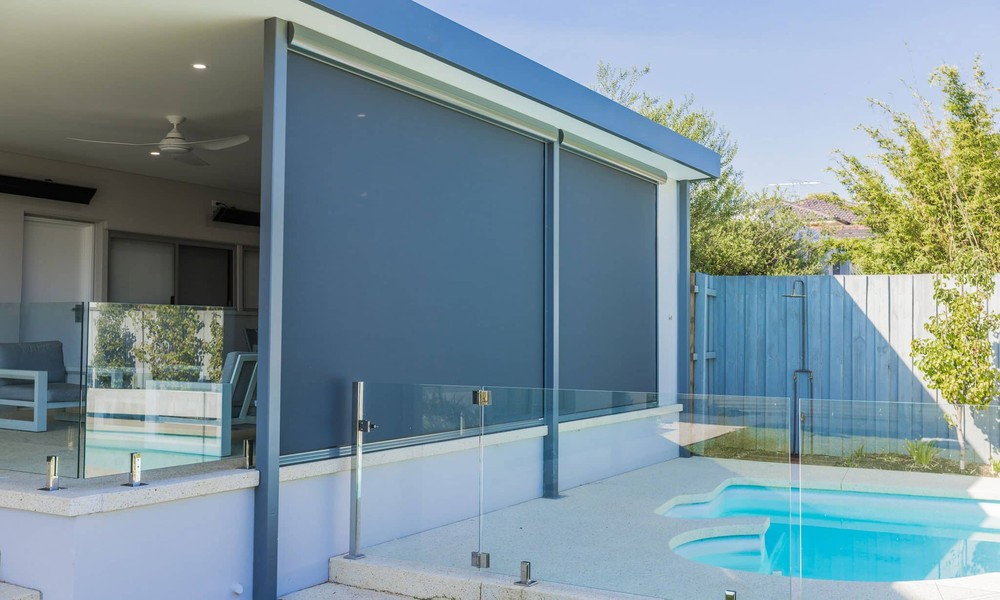
Motorised zip blinds have quietly become one of the most sought-after outdoor shading solutions across Singapore’s residential and commercial property landscape, and the reasons for that shift become clear the moment you spend time understanding what the technology actually delivers in real-world conditions. These are not simply blinds with a motor attached. They represent a meaningful convergence of fabric engineering, mechanical precision, and smart building integration that addresses the specific challenges of outdoor living in a tropical climate with a thoroughness that simpler shading solutions cannot match. For homeowners, hospitality operators, and commercial property managers navigating Singapore’s unrelenting combination of heat, glare, and sudden heavy rainfall, that convergence matters in practical, daily ways.
What Makes Zip Blinds Different
To appreciate what the motorised version delivers, it helps to understand the structural distinction that defines the zip blind category. A conventional roller blind, whether indoor or outdoor, hangs freely from its roller and relies on gravity and tension alone to hold the fabric flat. In any meaningful wind, the fabric billows, flaps, and eventually sustains damage at the attachment points.
A zip blind system eliminates this vulnerability through a fundamentally different design. The fabric edges are fitted with a continuous zip cord that tracks within a recessed aluminium channel on both sides of the installation. The fabric is physically guided and retained within these channels throughout its entire travel range. The result is a blind that remains taut, flat, and stable under wind conditions that would render a conventional outdoor blind unusable.
In Singapore, where afternoon convective storms can deliver wind gusts exceeding 60 kilometres per hour with minimal warning, this structural characteristic is not a marginal upgrade. It is the difference between a shading system that functions reliably and one that does not.
The Motorised Advantage
The addition of a tubular motor to the zip blind assembly transforms an already capable product into something considerably more responsive to the conditions it faces:
- Instant operation: A motorised zip blind responds to a wall switch, remote control, or smartphone command in seconds. In Singapore’s weather environment, where storm conditions can develop within minutes, the speed differential between motorised and manual operation is genuinely consequential
- Consistent fabric tension: Electric motors apply uniform torque to the roller throughout the travel range, maintaining consistent zip cord engagement in the channels and reducing the uneven wear that manual winding can introduce over time
- Programmable automation: Motorised systems can be set to extend and retract on predetermined schedules, aligned to sunrise and sunset cycles or to peak solar exposure periods, without requiring any manual intervention
- Integration with weather sensors: Wind and rain sensors connected to motorised zip blind systems allow automatic retraction when conditions exceed safe operating parameters, protecting the installation during periods when the property is unattended
Smart Control Integration
The smart control capabilities of contemporary motorised zip blind systems represent one of the most significant advances in the category over the past five years. The infrastructure that once required dedicated building management systems in commercial properties has become accessible and affordable for residential installations.
Current smart control options include:
- RF remote control: Standard equipment with most motorised systems, providing reliable wireless operation across distances of up to thirty metres without requiring network connectivity
- Smartphone application control: Wi-Fi or Bluetooth-enabled motors allow operation via dedicated applications, providing remote access from any location with internet connectivity. For Singapore homeowners who travel frequently or manage multiple properties, this capability has genuine practical value
- Voice control integration: Compatibility with Amazon Alexa, Google Home, and Apple HomeKit platforms allows motorised blinds to be operated through voice commands and incorporated into broader smart home routines
- Centralised scene control: Multiple blinds across a property can be grouped and operated simultaneously through a single command, which is particularly valuable in commercial settings managing large numbers of installations
- Automated solar and weather response: Integration with solar irradiance sensors allows the system to extend blinds automatically when direct sun reaches threshold intensity levels, managing indoor temperatures without manual intervention
In Singapore’s commercial hospitality sector, smart-controlled zip blind systems are increasingly specified as part of integrated building energy management strategies, where automated shading reduces air-conditioning load during peak solar hours in a measurable and consistent way.
Fabric Specification for Singapore Conditions
The performance of any motorised zip blind installation ultimately depends on the fabric specification as much as the mechanical and control systems. Key considerations for Singapore’s climate include:
- PVC-coated polyester fabrics with openness factors between three and ten percent provide meaningful glare reduction whilst preserving outward views and allowing ventilation
- Fabrics with UPF 50 plus ratings block over 98 percent of ultraviolet radiation, protecting interior furnishings and occupants from cumulative UV exposure
- Mould and mildew resistant fabric treatments are a practical necessity in Singapore’s humidity profile, not an optional premium
- Colour selection affects thermal performance. Lighter fabric colours reflect more solar radiation and perform better as thermal barriers in west-facing installations during afternoon sun exposure
Installation and Compliance Considerations
For HDB properties and condominium developments, relevant approvals from town councils or Management Corporation Strata Title bodies are required before installation commences. A qualified installer will address these requirements proactively. Electrical connections for motorised systems should be carried out by a licensed electrician, with all cabling protected against moisture ingress appropriate to an outdoor installation environment.
Conclusion
The convergence of structural integrity, automated operation, and smart building integration that defines the current generation of motorised zip blinds represents a meaningful advance over the shading solutions that preceded it. Specify the appropriate fabric, insist on proper installation standards, and integrate the control system to match your actual usage patterns, and the result is an outdoor shading installation that responds to Singapore’s climate conditions with a consistency and reliability that simpler alternatives simply cannot deliver. For any property where outdoor living quality matters, there is a compelling case for motorised zip blinds as the specification of choice.





Comments