
 By
By 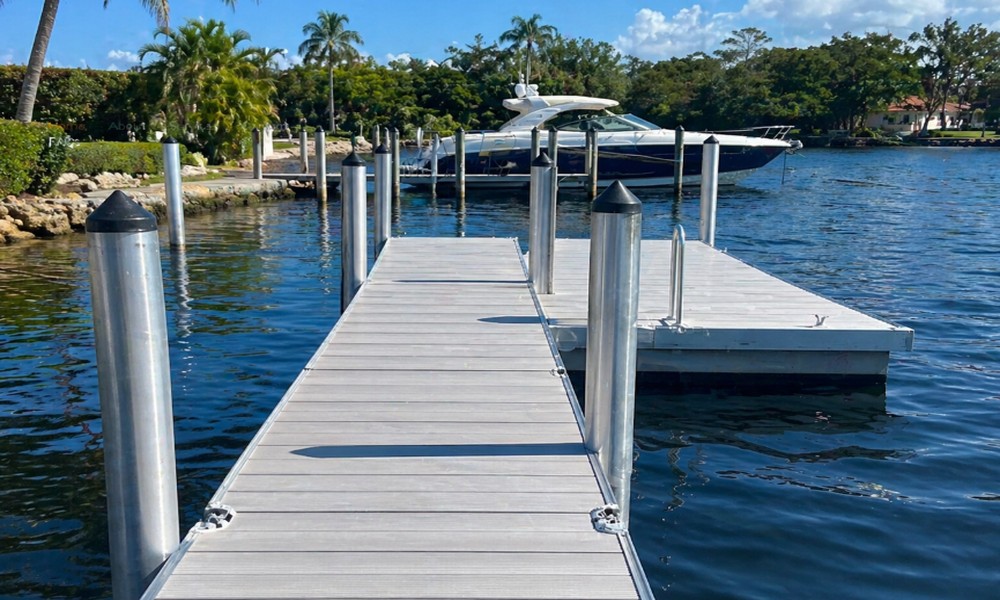
If you’re looking at floating docks it is likely that you are trying to answer some relevant questions at the same time. Can a floating dock be a good option to protect your shoreline. What kind of materials are the best for holding up. What amount of planning is done before any item touches water. Perhaps the most important one that is, what errors can cost you later on.
When you visit Supreme Floating Docks, this is where the actual conversation begins. The dock is often visualized first. The shape. The size. The slip. The lift. The thing that is just as important as, if not more as everything else that goes into the decision. Water depth. Movement of water. Anchoring. Permits. Access. Weight loads. Material selection. Maintenance. A dock that looks good on the first day still has to function after changing conditions, water levels and constant usage over the course of time. Floating docks are built to rise and fall in line with changes in water levels. This is one of the reasons they are frequently utilized on rivers, lakes or tidal shorelines and other shorelines that are subject to fluctuation.
A great dock design feels effortless when completed correctly. This is precisely the purpose. The right floating dock installation services help make the complicated job of constructing a waterfront feel safe, organized and predictable.
The most important takeaways
- Floating docks can be used when the water level changes.
- A solid dock plan begins with site conditions and not just dock size.
- Materials determine long-term maintenance cost, and longevity.
- Layout and anchoring are just as decking.
- Permits are often governed by local laws as well as floodplain review some areas federal oversight.
- Commercial and residential floating docks typically require different plans for structural design.
- The floating dock can be much easier to manage if maintenance is planned prior to installation.
- Supreme Floating Docks focuses on developing systems that work with the site, and not against it.
What is Floating Dock Installation Services?
They cover planning, layout anchoring, assembly and even waterfront set-up.
Floating dock installations cover the process of transforming an idea for a dock into a functioning system that is floating on water. The task usually includes site reviews the dock layout, choice of materials, anchoring design and shoreline connection, as well as the final assembly and adjustment.
Real-life, work typically consists of:
- Inspection of the site
- floating dock design review
- selecting the appropriate floating dock system
- Connection and anchoring connecting and planning
- Delivery and assembly
- waterfront dock installation
- access ramp or gangway configuration
- Final alignment and safety check
Many people discover that floating dock construction is more complex than it initially appeared. The dock needs to move with the tide and remain stable in the face of loads as well as connect easily to shore and handle seasonal changes without tearing it into pieces.
Why should you choose a Floating Dock Installation versus Fixed Dock?
Because floating docks are more able to adapt to changes in conditions in the water.
Floating docks are usually more appropriate in situations in areas where the level of water fluctuates upwards and downwards or when shoreline conditions make fixed construction difficult.
This does not mean that floating docks are the best every time. It’s important to be in line with the location. Floating docks make the most sense if you require more flexibility, a simpler boarding process when the water level changes, or a modular structure that will grow over time. Floating docks are often selected for conditions of fluctuating water since they change height in line with the flow of water, instead of being locked at a certain level.
This is the reason floating docks are an excellent suit for:
- tidal waterfronts
- lakes that have seasonal variations
- The rivers have changing levels of water
- Marinas that have mixed boat heights
- homes on residential properties where expansion might be relevant
I believe this is the point at which homeowners start to feel a bit more comfortable. Once they are aware that floating docks are designed to move, not fight water, their decision usually is made more clear.
What should a floating Dock Installer Do First?
The coastline, depth and the motion of the land.
A floating dock contractor should begin with the website not the brochure about docks.
Before any floating dock construction begins the builder must be aware of:
- water depth
- Shoreline shape
- Current or wave action
- Changes in the water level during the season
- Conditions at the bottom
- Type of boat and size
- Access from the shore
- exposure to the wind
These details influence nearly every future decision. The most suitable floating dock for a tranquil home pond isn’t necessarily the same one you’d like for a rougher channel edge or in a bustling commercial location.
This is the reason why customized floating docks are usually the most effective option. The site makes decisions that go beyond what the majority of people would like.
What materials are used in a floating Dock System?
The most popular choices are wood, aluminum plastics, composite surfaces.
The majority of floating dock materials are classified into several main categories, and each has its own pros and cons.
Common floating dock materials include:
- aluminum
- wood
- composite decking
- PVC or decking made from plastic
- concrete is used in certain commercial systems.
- The pontoons or flotation units are molded and molded.
PolyDock mentions that the most popular dock materials are wood, aluminum, PVC, HDPE composite systems and concrete. Each material has different advantages and disadvantages for longevity and maintenance. Trusscore’s analysis also states that PVC can withstand swelling, rot, splitting, and mold due to the fact that it doesn’t swell or absorb water as organic materials do.
It is important because dock material can affect:
- Maintenance workload
- Long-term outlook
- resistance to slip
- heat underfoot
- resistance to corrosion
- structural weight
- Repair ease
- total floating dock cost over time
Are aluminum floating docks a Good Choice? Yes, especially when low weight and corrosion resistance are important.
The simple answer is yes, in most instances. The floating docks made of aluminum are very popular due to their lighter weight than other docks, and are more resistant to rust than steel that has not been treated and are generally more manageable for installation and maintenance.
Pile the Buck docks of 2026. The manual states that aluminum is a light-weight corrosion resistant material and is particularly suited to saltwater exposure. Maintenance tips for floating docks made of aluminum stresses regular inspections of the movement of the dock, its condition and hardware and galvanic corrosion at the point where different metals come together.
This does not mean that it is unmaintenance-free. There is nothing on the waterfront that is. This does mean that floating docks made of aluminum can be an excellent choice when you need:
- Framing that is lighter
- strong durability
- cleaner long-term appearance
- more modular expansion
- less structural weight on the flotation system.
In the case of Supreme Floating Docks, aluminum tends to be a frequent choice due to the fact that owners are looking for durability and not the maintenance burden that traditional materials require.
Are aluminum floating docks a smart choice? Yes, especially when Low Cost and Corrosion Resistance are Important.
The dock construction process is more sequential than most people imagine.
A typical project usually looks like this:
- Measurements and site visit
- Design and layout of the floating dock design
- Anchoring and material choices
- Permit review
- Fabrication or order
- Delivery and dock construction on the waterfront
- Safety review and final adjustments
The sequence of events is crucial because the early decisions can affect the cost of later. A shoreline connection that appeared straightforward on paper might require an angle that is different once the depth of water is determined. A dock design that appears perfect at first glance may require to be changed after boat turning clearances are reviewed.
This is the reason why professional floating dock installations services will save time. They cut down on rework, as they take the necessary decisions in advance.
Do You Need Floating Dock Permits?
Most of the time, dock work may result in state, local floodplain, federal, or local review.
The answer is simple: that you should, and often do. Permit rules are contingent on the location, kind of waterbody, the dimensions of the dock and the kind of work that is being performed.
FEMA declares that permits are required prior to construction or development commences within a Special Flood Hazard Zone. U.S. Army Corps regional dock permits also state that dockwork may have to be in compliance with floodplain rules and water quality certifications as well as other regional requirements according to the project’s location and the type of work.
Permits for floating docks can include:
- Local building codes
- Environmental review or shoreline
- floodplain development permits
- State or county-wide waterfront regulations
- U.S. Army Corps review in some situations that require navigable waters
It can be repetitive. This is often the case. However, it is important. A dock that is put in without the appropriate approvals could cause legal and resale issues afterward.
What are the advantages? Modular floating Docks alter The Project? They allow for installation and future expansion easier.
Modular floating docks make it easy to build segments, modify later and expand without having to rebuild the entire system.
The guides to floating docks typically refer to modular docks as prefabricated parts that can be constructed on-site and rearranged into various configurations later. EZ Dock also notes that modular dock sections are able to be installed in different sizes and can be connected to specific hardware to the system.
It is a great option for owners who are looking to:
- Growth in stages
- It is easier to replace one section
- smaller changes to shape, or slip layout
- more convenient transportation and easier assembly
- more efficient adaptation to changes to the shoreline
A floating dock system that has modular sections can be used for commercial and residential floating docks, even though the requirements for structural construction aren’t identical.
What is the difference between residential Floating Docks And Commercial Floating Docks?
Commercial systems typically require a stronger structures and more extensive planning.
The floating docks for residential use are typically constructed for lighter use and less boats. Commercial floating docks have to take on more passengers with more impact, greater wear and tear, and usually have higher requirements for safety and utility.
Commercial floating docks typically require:
- capacity to carry more load
- stronger connection hardware
- more efficient flow of traffic
- more durable materials
- more robust anchoring systems for anchoring
- A broader maintenance plan
The docks that are used for residential floating tend to are focused on:
- Easy to board
- Family use
- One or two watercraft
- lower-profile layouts
- Lifestyle use
The difference in this case affects everything from the dock’s width to decking anchoring. A floating dock contractor must not approach both kinds of projects the same way.
How do you install a floating Dock in a safe manner?
Make sure you use the correct anchoring and connections and the appropriate layout for your particular site.
The answer is simple. A safe installation is contingent on the stability of the dock and permitting it to move in according to the way it was created to move.
Anchoring advice for modular docks clarifies that pilings, shoreline anchors, as well as cable system are popular methods to keep docks in place, while permitting water-level movement. EZ Dock maintenance and installation materials also emphasize the importance of checking the anchoring system, couplings and connections to hardware regularly.
A safe set-up usually relies on:
- the correct anchoring technique
- appropriate shoreline attachment
- exact spacing of sections
- seamless transition from land to dock
- enough freedom of movement to avoid drift
- Good hardware tension and proper alignment
This is the reason “how to put up floating docks” is not just about assembly. The dock’s hardware is only a small part of the equation. The anchoring site and the location plan determine if the dock is solid or is a bit flimsy.
What is the effect of a floating dock’s cost?
Material, size Anchoring, permits and site problems all affect.
The most straightforward answer is this. The cost of floating docks is influenced by more than just dock length by itself.
Cost factors that are most important include:
- Dock size and shape
- Material type
- Float system type
- Anchoring the complexity
- Access to the shoreline
- permit requirements
- labor and delivery
- bumpers, cleats, gangways and other accessories
This is the main reason that custom floating docks may differ significantly in cost. Two docks could look identical in terms of size, however they will have differing costs due to the fact that one is tranquil and easy to navigate, while the other requires a stronger anchor as well as more engineering or more challenging access to the waterfront.
A reputable floating dock contractor will be able to explain the source of the price from. The price may not be overinflated. Sometimes the website is much more expensive.
What kind of maintenance can you expect Following Installation? Plan for regular hardware and Anchoring, as well as Surface Examinations
The most straightforward answer is this. Maintenance of docks on the float should be a routine activity and not a reactive.
EZ Dock’s maintenance guidelines recommend making sure that you check the connections to your hardware and couplers, hinges, as well as anchoring mechanisms on regularly. Maintenance guidelines for floating docks made from aluminum include stress-watching for signs of wear, corrosion and problems with fasteners as time passes.
A smart floating dock maintenance list includes:
- Checking bolts and connectors for checkpoints
- Reviewing anchor tension or piling movement
- Cleaning surface buildup
- Watching for damage to the float
- Inspecting the bumpers and inspecting cleats and bumpers
- checking gangway alignment
- Examining corrosion at contacts with metal
A dock typically lasts longer if maintenance is integrated into the ownership process from the beginning. This is a common sense approach. People still skip it. Small problems can turn into more expensive repairs.
Why should you hire a floating Dock Contractor, instead of attempting to DIY?
Find a contractor when the location, permit route or anchoring set-up is more complex than the basic.
The simple response is. DIY is only effective when the site is easy and easy to use as well as the guidelines are simple.
You should seek out an expert on floating docks in the following situations:
- Water levels can fluctuate a lot
- Wave exposure or current is important
- The rules for permits aren’t easy to understand.
- The dock will accommodate several boats
- the project also includes custom floating docks
- commercial floating docks can be involved.
- The anchoring design is complicated
- The shoreline conditions can be challenging
This is the place where the professional installation of floating docks typically will pay for themselves. You’re not just buying labor. You’re buying less mistakes clean setup as well as better fitting and longer-term performance.
Here at Supreme Floating Docks, that is what we really want to achieve. Create a dock that is compatible with the area, matches to the boat, but is reliable after the first season is finished.
FAQs
What is floating dock installation?
Floating dock installation services comprise design and layout, anchoring the assembly of shoreline connections and finally the installation of floating dock systems.
Do floating docks need permits?
Often yes. Permits can be subject to local regulations such as floodplain review and occasionally federal or environmental review.
Are floating docks made of aluminum an option worth considering?
Yes, in a lot of cases. They are typically chosen due to their low cost, weight and corrosion resistant and long-term endurance.
What factors affect the cost of floating docks the most?
Materials, size anchoring, access to the site requirements for permits along with the overall level of complexity generally are the most significant factors.
What are the benefits of floating docks that are modular?
Modular floating docks are simpler to build, expand and then reconfigure.
How often is a floating dock kept clean?
It is recommended to check the condition of your hardware, anchoring and the condition of the surface regularly especially after storms and seasonal shifts.
When should I engage a floating dock contractor?
Engage a floating dock contractor in the event of changing water, a difficult anchoring process complex, permit or if you require an entirely custom layout that requires greater technological plan.
This post was written by a professional at Supreme Marine Floating Docks. Supreme Marine Floating Docks is dedicated to providing top-quality floating docks and marine accessories that combine durability, innovation, and superior performance. While we are a new brand, our team brings over 50 years of combined industry experience, making us trusted marina contractors Miami. We are passionate about designing and delivering products that meet the highest standards, ensuring reliability and longevity in all marine environments. Whether for residential, commercial, or recreational use, our docks are crafted with precision and care, setting a new benchmark in the industry. At Supreme Marine, we don’t just build docks-we create lasting solutions.







Comments