
 By
By 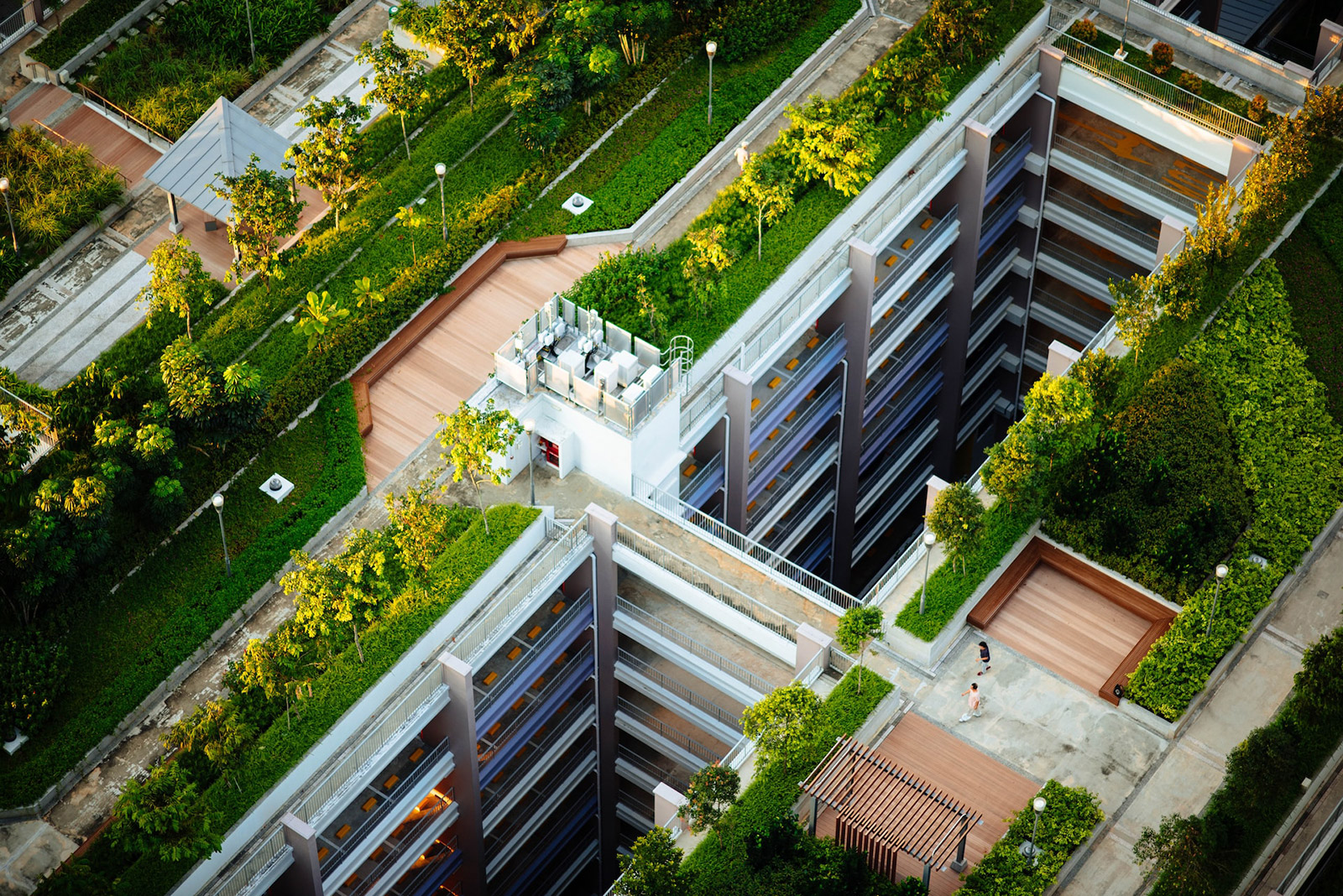
In recent years, the real estate market has witnessed a significant shift towards sustainability, with biosourced architecture emerging as a leading trend. This innovative approach, characterized by the use of natural and renewable materials, offers a sustainable alternative to traditional construction methods. One notable example of this trend is the architecture biosourcée Atelier Vert Forêt, which has been at the forefront of integrating eco-friendly practices into modern building designs.
Biosourced architecture leverages materials such as wood, straw, hemp, and bamboo, which are not only renewable but also have a lower environmental impact compared to conventional construction materials like concrete and steel. These materials are often locally sourced, reducing transportation emissions and supporting local economies. Moreover, biosourced materials typically have better insulation properties, contributing to energy efficiency and reducing the carbon footprint of buildings.
The growing popularity of biosourced architecture can be attributed to several factors. First, there is an increasing awareness of environmental issues and a stronger push for sustainable development. Governments and regulatory bodies worldwide are implementing stricter building codes and incentives for green construction, encouraging developers to adopt eco-friendly practices.
Second, consumers are becoming more environmentally conscious, demanding homes and commercial spaces that align with their values. The architecture biosourcée Atelier Vert Forêt has demonstrated that it is possible to create aesthetically pleasing and functional buildings while prioritizing sustainability. Their projects showcase how biosourced materials can be used creatively to achieve both modern and rustic designs, appealing to a wide range of tastes.
Furthermore, biosourced architecture contributes to healthier living environments. Natural materials are generally free from harmful chemicals and provide better air quality. This aspect is particularly important in residential buildings, where indoor air quality directly impacts the well-being of occupants.
From an economic perspective, biosourced architecture can lead to cost savings in the long run. Although the initial costs may be higher, the durability and energy efficiency of biosourced materials can reduce maintenance and operational expenses over time. Additionally, properties built with sustainable practices often have higher resale values, as the demand for green buildings continues to rise.
In conclusion, biosourced architecture is transforming the real estate market by offering a sustainable and economically viable alternative to traditional construction methods. The efforts of pioneers like architecture biosourcée Atelier Vert Forêt highlight the potential of this approach to meet modern building needs while addressing environmental concerns. As awareness and demand for sustainable practices grow, biosourced architecture is poised to become a cornerstone of the future real estate landscape.






Comments